Metal fabrication
Fabrication FAQs
Everything you need to know about our laser cutting, materials and fabrication services.
Search Wheeler Fabrications
Type at least 3 characters to search
Everything you need to know about our laser cutting, materials and fabrication services.
If there's anything else? Just let us know
Laser cutting is a fast and accurate profile cutting method. It uses an intense laser beam and is suitable for many types and thicknesses of material that traditional methods can’t match.
Laser cutting is better than other methods because it works well for a wide variety of thicknesses and materials. Other methods tend to be less accurate, slower, specific to certain materials only or all of the above. The accuracy and finish of the edge is perfect, potentially saving hundreds of pounds in tooling costs.
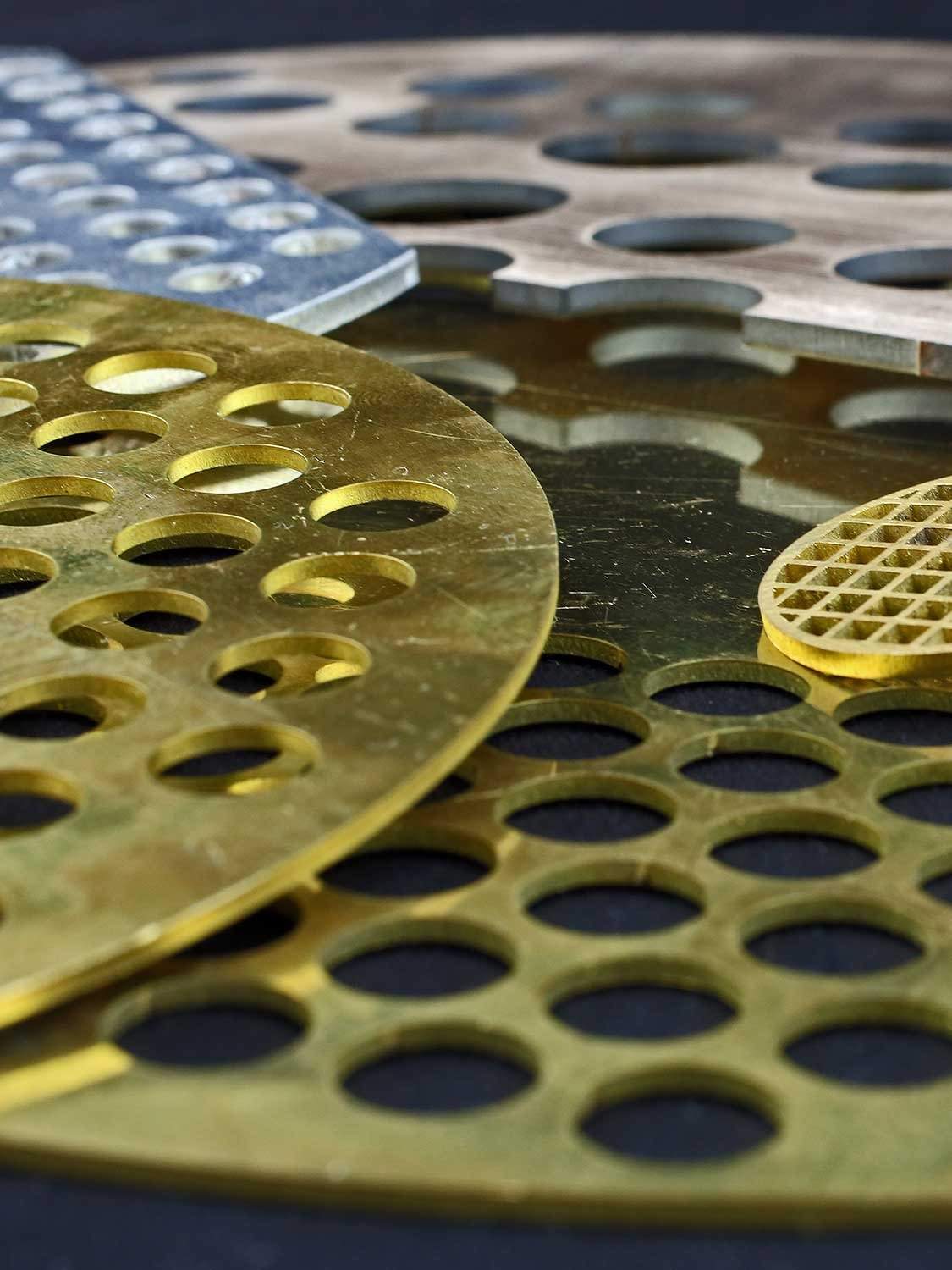
Fibre-optic laser cutting is better at cutting thinner materials and will also cut through copper / brass which CO2 can’t cut.
They cut a broader variety of materials and cut thinner materials more accurately and quicker. Fibre-optic lasers are also more energy efficient than CO2 lasers and therefore better for the environment.
Traditionally plasma and oxyacetylene were used to cut plate and sheet metal. The introduction of lasers revolutionised the industry with clean, accurate cutting. The ability to cut metal using optic-fibre laser-cutting machines has widened the field drastically with high quality, flexibility and speed.
We recently cut an artist’s fluidity panel. This was a challenging job as it consisted of thousands f arcs and lines which intersected each other. The processing power of our software and the quality of the laser made it possible to process this image into a finished product.
The number of items can be in their thousands per day. The Bysoft 7 software can take hundreds of parts and nests them all together in seconds, which saves hours of man-power. A single sheet of material could have a thousand specific parts in it and they can be processed in minutes. It is a truly intellient fabrication process.
We’ve produced a range of products from aluminium such as boat ducting, and ships kitchens. Any bespoke work is possible.
Cutting of coated materials such as Zintec / Galvanised saving on the costly plating process
Fibre-optic laser is more than happy cutting aluminium. We can cut up to 6mm thickness, although 3mm and below is optimal.
We have produced work for marine companies, catering businesses, automotive industry and more, all over the country.
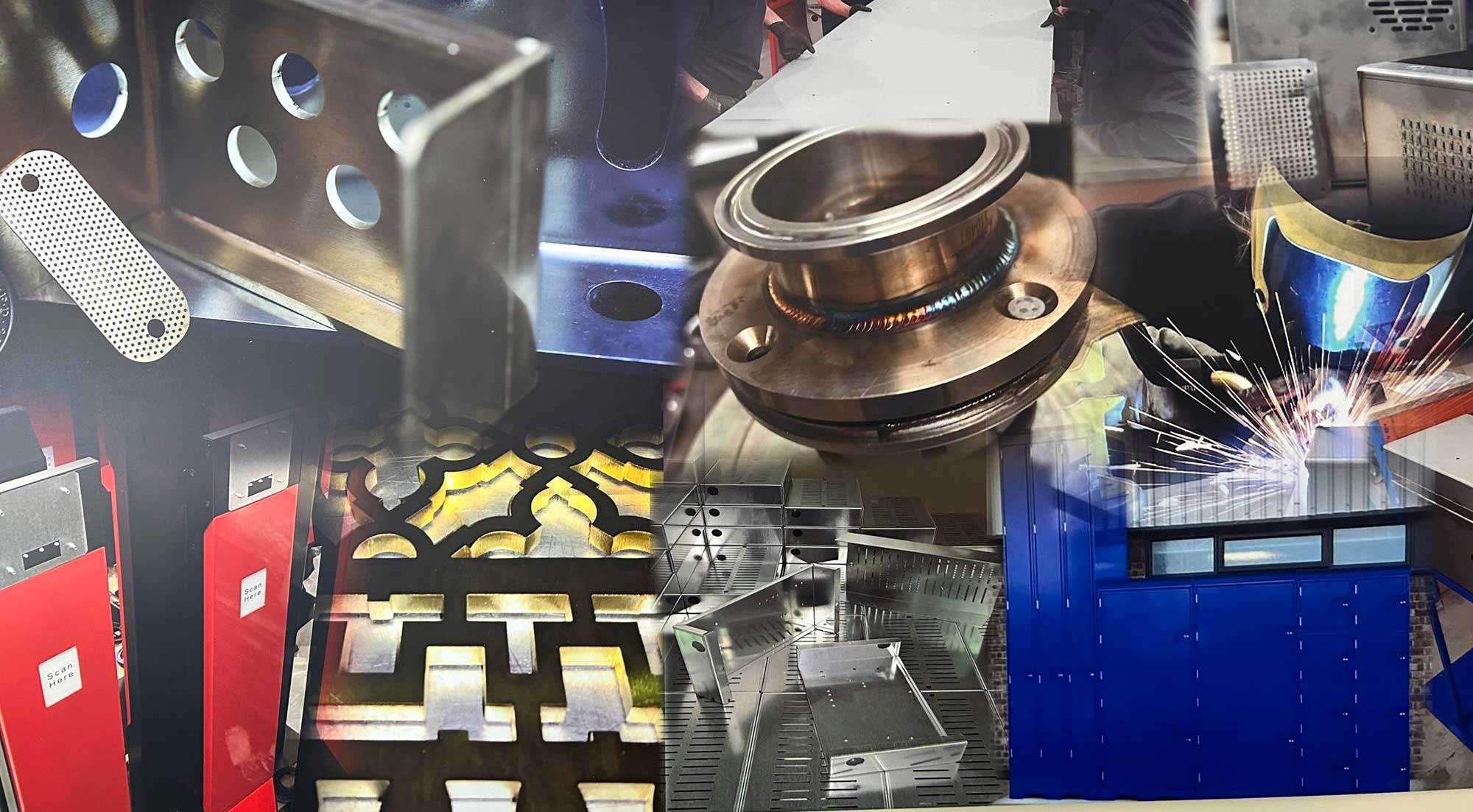
All laser cut blanks can be secondarily processed whether it is accurate folding, stud insertion, riveting, spot-welding, up-forming shapes, tig-welding, mig-welding and assembly.
Fibre-optic lasers are great at cutting brass and copper, two metals which give CO2 lasers real problems. Stainless steel below 5mm can be cut especially quickly.
We can make brackets from any material, but the most impressive is cutting plated materials in Galvanised and Zintec, saving money on plating.
We make brackets for electronic components, machine assemblies, automobiles and most sectors you could mention.
Thickness isn’t necessarily a limiting factor, but most of the metal we cut is 5mm to 6mm thick and only a small proportion is thicker than that.
Somewhat, stainless steel tends to be stronger than other materials so tends to come in thinner sheets and plates.
We are based in Birmingham, West Midlands, UK. We can arrange for your products to be delivered anywhere in the UK, Europe or beyond.
No FAQs match your search. Try a different keyword or category.
Send us your idea, a sketch, a CAD file or just a description, and we’ll come back with a clear, competitive quote. No job too small, no run too large.